Secondary placements in FMCG: why a display has value only when it is executed correctly
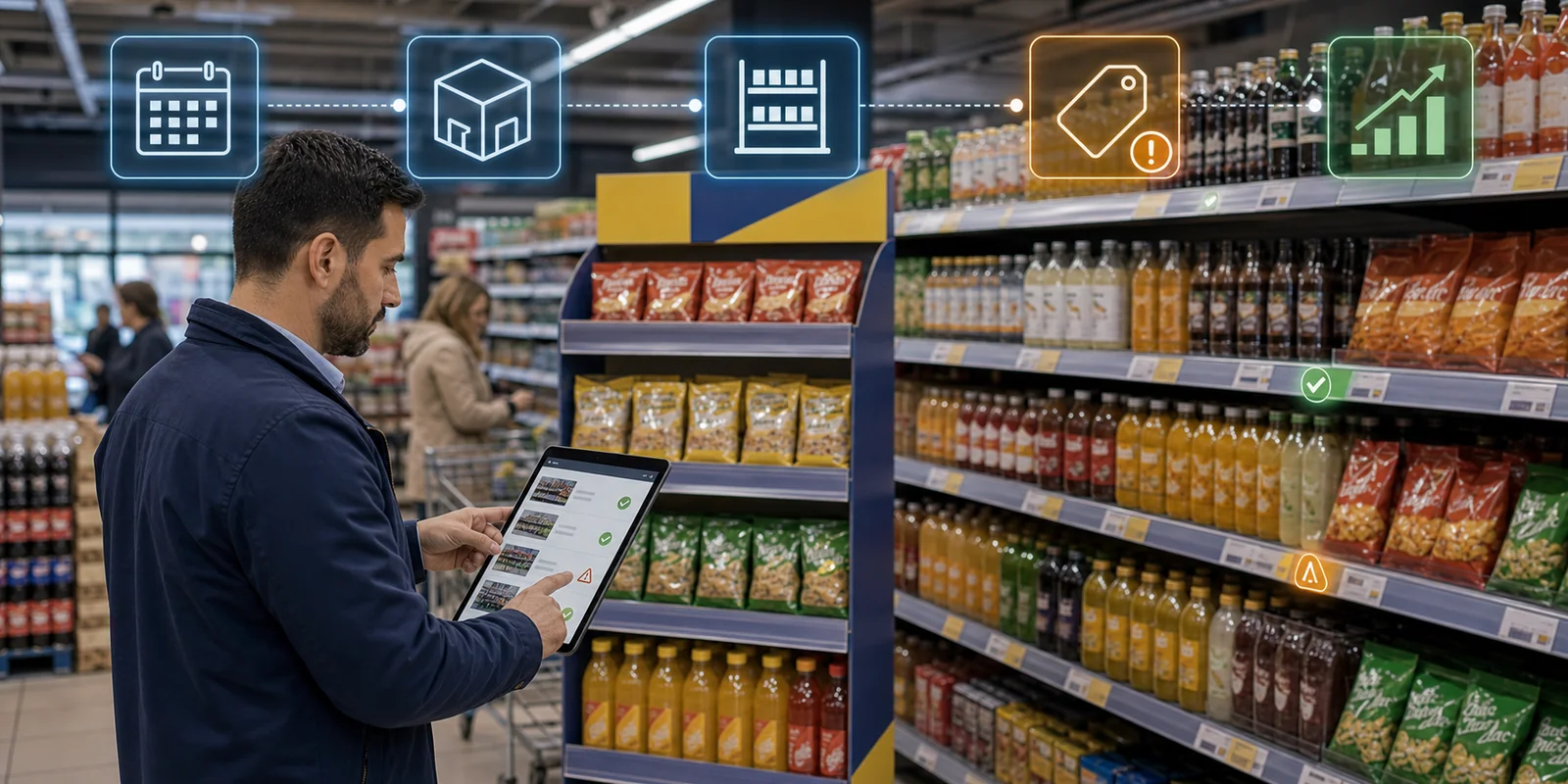
Secondary placement is not just an extra display. It is trade investment that needs the right location, period, product, price, photo proof, compliance and measurable impact.
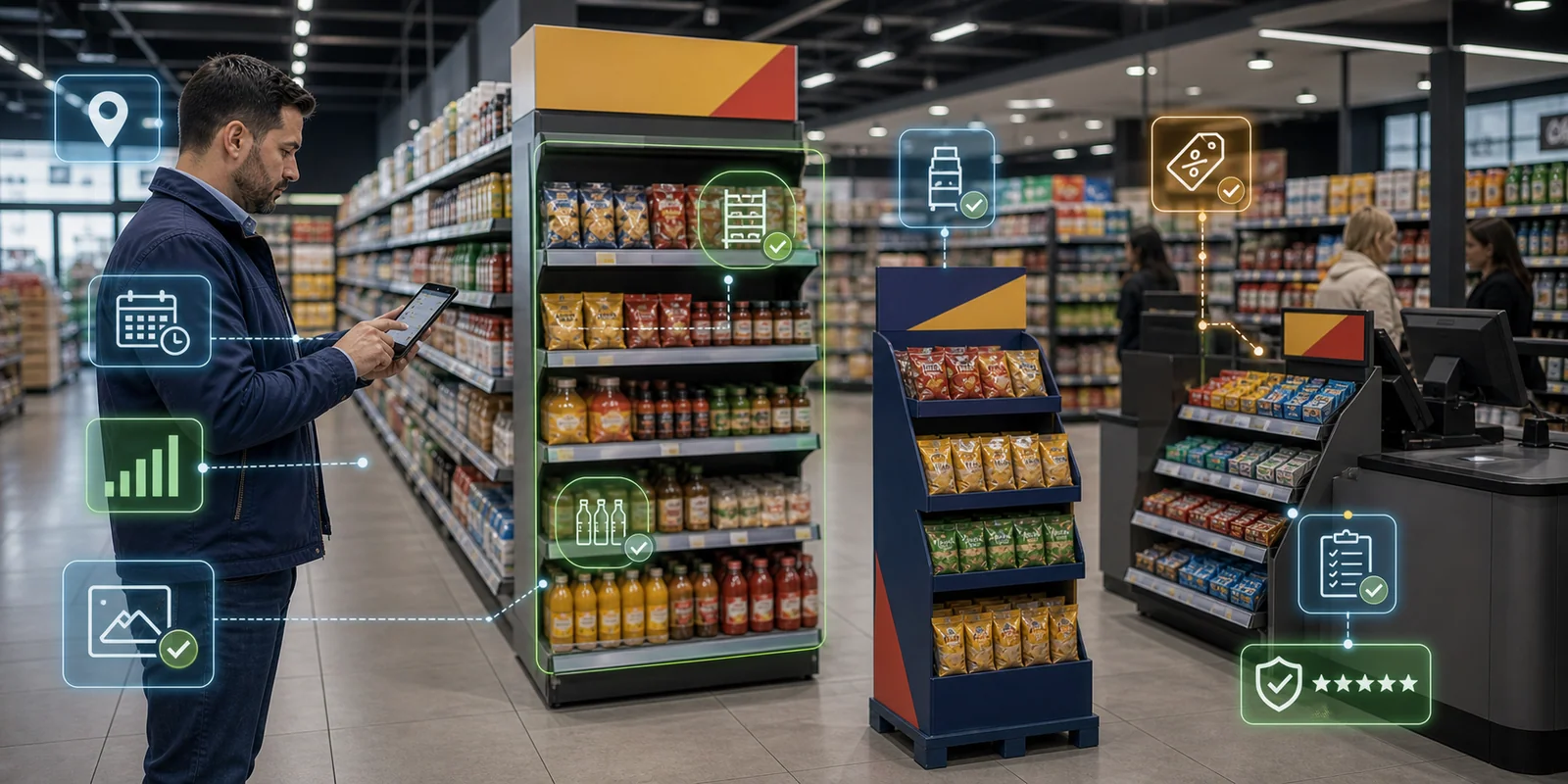
Secondary placement sounds simple.
Place a display. Install a promo stand. Agree an endcap. Set up a checkout placement.
But in FMCG, value does not come from the display simply existing.
Value comes from whether it is:
- in the right store;
- in the right zone;
- in the right period;
- with the right product;
- with the right price;
- sufficiently filled;
- visible to the shopper;
- measured for impact.
Otherwise, secondary placement becomes hidden trade spend.
Why secondary placement matters
The main shelf is limited.
Secondary placement creates additional visibility outside the standard category shelf:
- endcap;
- floorstand;
- checkout display;
- promo island;
- pallet display;
- branded rack;
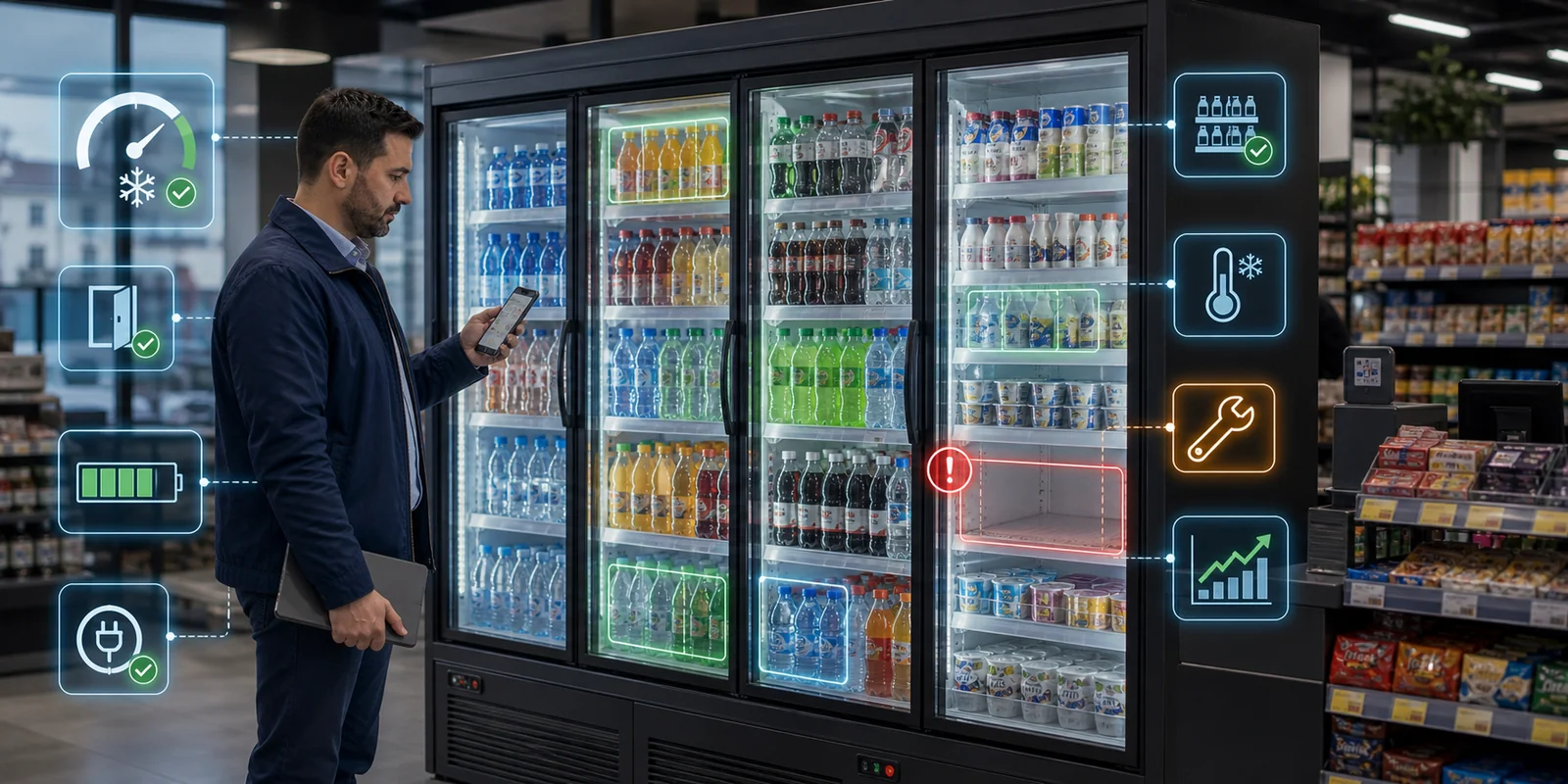
- chilled placement;
- seasonal placement.
These points can increase impulse purchase, strengthen promotion and take the product out of the competitive noise of the main shelf.
But only if they are executed correctly.
“There is a display” is not enough
The classic mistake is reporting secondary placement as a checkbox.
Is there a display? Yes.
This says almost nothing.
Better questions are:
- is it the right display;
- is it in the agreed zone;
- is it visible from shopper flow;
- is it filled with the right SKUs;
- is there enough stock;
- is price/promo communication visible;
- is there competitor misuse;
- does the photo prove execution;
- is there uplift versus expectation.
Promo compliance depends heavily on this. A promotion may be planned well, but if secondary placement is missing or empty, the result will look weak.
Location is half the impact
Not all store locations are equal.
A display near the entrance, an endcap in an active aisle and a checkout zone have different potential. The same display in a low-traffic corner may have almost no impact.
The system should measure:
- entrance zone;
- main aisle;
- category adjacent;
- checkout area;
- promo zone;
- cold zone;
- seasonal zone;
- visibility from customer path.
A photo without location context is not enough. GPS, store zone, visit task and photo proof need to work together.
Timing is critical
Secondary placement is often connected to a specific promotion period.
If the display is set up late, half the campaign is lost. If it remains after the period, it may create price mismatch or execution noise.
The team should track:
- planned start date;
- actual setup date;
- active days;
- takedown date;
- promo price status;
- stock replenishment during promo;
- issue closure before campaign end.
This is where Workflow orchestration matters. If the promotion lasts 10 days, an issue after day 7 has limited value.
Right product and right price
Secondary placement should sell a specific commercial idea.
If the promo SKU is missing, wrong variants are placed, price is not visible or a competitor product occupies the space, the placement does not serve its purpose.
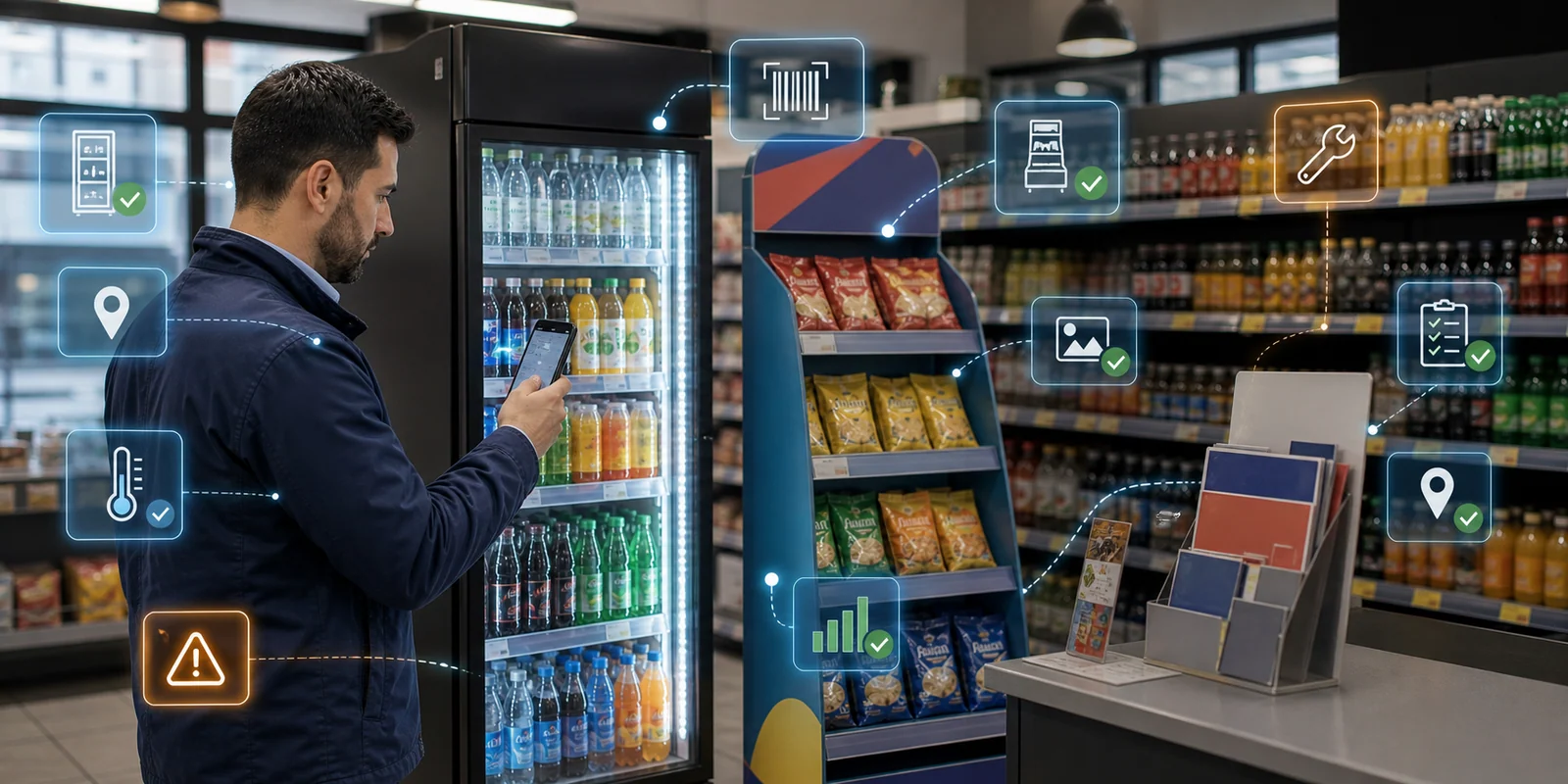
Image recognition can help with:
- whether the display is present;
- which products are on it;
- fill level;
- empty slots;
- competitor intrusion;
- visible price/promo;
- whether the photo matches the task.
Verification becomes a structured signal, not just “send a photo”.
Secondary placement and Perfect Store
Perfect Store scorecard should include secondary placement, but with weighting.
Not every placement matters equally.
For example:
- endcap for a national promotion may have high weight;
- checkout display for an impulse category may have high weight;
- small POS material may have low or medium weight;
- seasonal display may matter only during a specific period.
This avoids a flat checklist where everything has the same weight.
KPIs for secondary placements
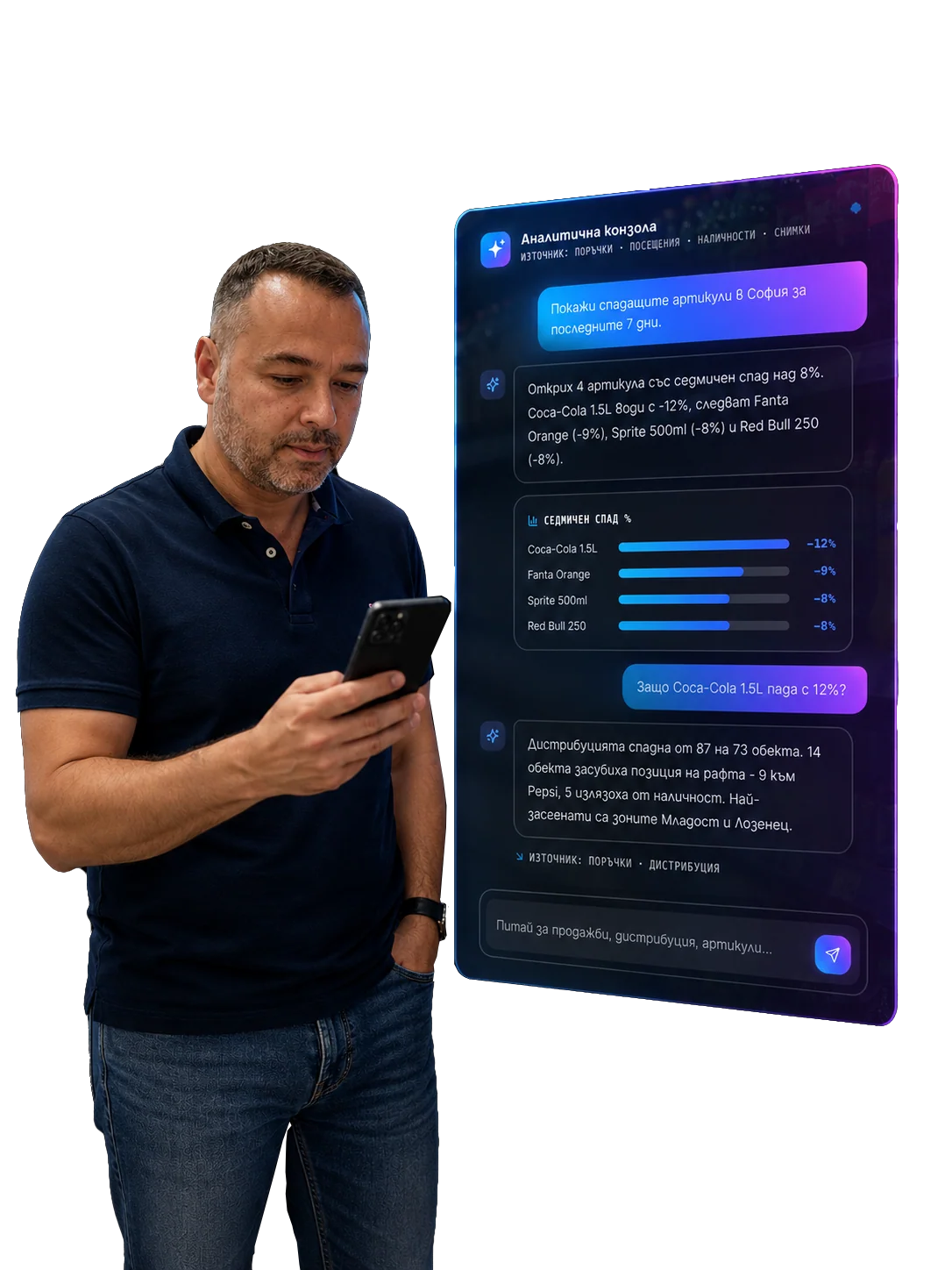
A good dashboard should show:
| KPI | Why it matters |
|---|---|
| Planned vs executed placements | shows whether the agreement was executed |
| On-time setup | critical for the promotion period |
| Fill level | shows whether product is available |
| Correct SKU | protects the commercial idea |
| Price/promo visibility | influences purchase |
| Location compliance | shows whether placement is in the right zone |
| Photo proof | provides evidence |
| Issue closure time | shows response speed |
| Sales uplift | shows real impact |
| ROI | justifies trade investment |
If uplift analysis is missing, placement remains activity, not business result.
What to do when there is a problem
Problems need an owner.
For example:
- sales rep replenishes;
- merchandiser moves the display;
- supervisor checks store agreement;
- key account escalates violation;
- distributor delivers missing stock;
- trade marketing changes materials.
Without an owner, the secondary placement problem will repeat in the next promotion.
In short
Secondary placement in FMCG is trade investment.
It should be managed like one:
- planning;
- location;
- period;
- product;
- price;
- photo;
- compliance;
- action;
- uplift;
- ROI.
A display has value only when the shopper sees it, product is available and the sale happens.
Related in Optimasoft
- Image recognition checks presence, fill and product execution of secondary placements.
- Asset tracking manages displays, racks and POSM as measurable assets.
- Promo compliance shows why secondary placement matters for promotion results.
- Perfect Store scorecard places secondary placement in a weighted retail standard.
- OptimaSale connects placement checks with field visit tasks.
- Workflow orchestration closes problems as action, owner and evidence.
Sources
- Bain & Company - Perfect Store: How advanced analytics is transforming sales execution
- Bain & Company - Perfecting Sales Execution
- McKinsey - From blueprint to breakthrough: How AI and automation can transform the consumer enterprise
- Computer Vision Based Planogram Compliance Evaluation - Applied Sciences
Related articles